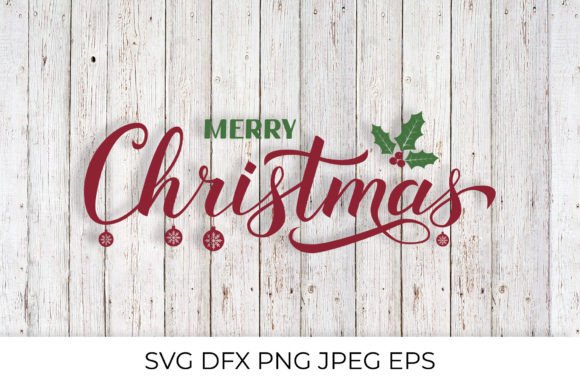
Review: Merry Christmas Lettering over White Bac
As a designer who has spent countless hours digitizing and testing embroidery files, I approach every new machine embroidery design with a mix of curiosity and caution. We have all been there: you find a graphic that looks stunning on a screen, only to watch it turn into a puckered mess or an illegible blob once the needle hits the fabric. That is why I took a close look at Merry Christmas Lettering over White Bac before committing it to any client work or personal holiday projects. This isn’t just about aesthetics; it is about functionality, stitch quality, and how the final piece holds up in the real world.
First Impressions and Visual Personality
The first thing that strikes me about this piece is its clean, festive clarity. Falling under the category of Illustrations, it balances traditional holiday warmth with modern simplicity. The lettering does not feel overly ornate or cluttered, which is a massive advantage in embroidery. Complex scripts often fail because the tight curves require impossible stitch densities, leading to thread breaks or fabric distortion. Here, the shapes appear open and breathable.
The mood is inviting and classic. It does not scream for attention with neon brightness but rather offers a gentle, seasonal greeting that feels appropriate for a wide range of applications. For an Etsy seller or a small shop owner, this versatility is gold. You are not locked into a single niche. The design feels equally at home on a rustic linen tea towel as it does on a modern, minimalist tote bag. The "White Bac" aspect suggests a clean background or negative space usage, which typically translates well to stitched formats where too much fill can weigh down lightweight fabrics.
Real-World Application: The Holiday Tote Test
To truly evaluate Merry Christmas Lettering over White Bac, I imagined a specific scenario: preparing a batch of custom holiday gift bags for a boutique client. The goal was to create a handmade product that felt premium but remained durable enough for repeated use. I visualized stitching this design onto a heavy-weight canvas tote bag design.
In this context, the design shines. The lettering is bold enough to be read from a distance, making it effective for branding or gifting. When I consider the stitch density, a design like this likely relies on a combination of satin stitch for the outlines or smaller text elements and potentially fill stitch for larger blocks, depending on the specific digitization. On canvas, these stitches would sit nicely on top of the texture without sinking in. The result would be a crisp, professional-looking finished product that elevates the perceived value of the bag.
However, if I were to pivot this same design to a sweatshirt embroidery project, the approach would change. Fleece and cotton blends are forgiving, but they can swallow small details. I would need to ensure the lettering is scaled up sufficiently. If the design includes fine serifs or tiny decorative dots, those might get lost in the nap of the fabric. For apparel, I would recommend testing a larger hoop size to maintain legibility while keeping the stitch count manageable to prevent stiffness.
Fabric Considerations and Technical Challenges
Not every surface is created equal. While Merry Christmas Lettering over White Bac appears robust, there are scenarios where caution is required. If you are planning to use this on thin or stretchy fabrics, such as a lightweight t-shirt or a silky pillow cover, stabilization is non-negotiable. A cut-away stabilizer would be my go-to choice here to support the stitches and prevent the fabric from pulling or warping after washing.
Curved surfaces present another challenge. Embroidering this on a cap or hat requires careful hooping. The curvature can distort the lettering if the design is too wide. I would advise checking the width of the design against your cap frame. If the lettering stretches across the entire front panel, it might bow unnaturally. In such cases, scaling it down slightly or choosing a flatter placement area is wise.
Dark fabrics also require strategic thinking. Since the title mentions a "White Bac," I assume the design may rely on light threads or specific color contrasts. If you are stitching white or light-colored thread on a navy or black garment, you must ensure the digitization accounts for visibility. Sometimes, a underlay stitch in a contrasting color can help pop the top stitches, ensuring the thread colors stand out sharply against the dark background.
Commercial Viability and Brand Consistency
For commercial embroidery professionals and craft business owners, consistency is key. You need designs that reproduce reliably, hour after hour. Merry Christmas Lettering over White Bac seems to offer that reliability. Its clean lines suggest fewer jump stitches and less trimming, which speeds up production time. This efficiency directly impacts your profit margin.
Moreover, the design supports brand consistency. If your shop specializes in cozy, traditional holiday items, this design fits seamlessly into your catalog. It works well for personalized gifts, such as adding a family name below the main lettering, provided you have the rights to modify the file. Always check the license terms. Some digital embroidery file creators allow unlimited sales of finished physical items, while others restrict digital redistribution or require attribution.
Practical Designer Notes for Best Results
Before you load this design into your machine, take a moment to run through this checklist. These steps have saved me from countless headaches and wasted materials:
- Test on Scrap Fabric: Never skip this step. Stitch the design on the same type of fabric you plan to use for the final product. Check for puckering, thread breaks, or registration issues.
- Check Thread Contrast: Ensure your chosen thread colors provide enough contrast against the fabric. Use a printable mockup or digital preview to visualize the final look before threading up.
- Review Stitch Density: If the design feels too dense for your fabric, consider using a lighter weight stabilizer or adjusting the tension settings on your machine.
- Confirm Hoop Size: Make sure the design fits comfortably within your hoop with enough margin for clamping. Do not crowd the edges.
- Inspect Small Details: Zoom in on the digital file. Are there tiny elements that might not stitch out well? If so, consider simplifying or scaling up.
- Verify Licensing: Confirm whether the file allows for commercial use if you plan to sell items featuring Merry Christmas Lettering over White Bac.
Final Verdict
In the crowded market of holiday design assets, Merry Christmas Lettering over White Bac stands out as a practical, versatile choice. It avoids the pitfalls of over-complication and focuses on clear, festive communication. Whether you are creating a baby embroidery item for a newborn’s first Christmas, a set of kitchen towels for a wedding gift, or a line of embroidered patch products for your online store, this design holds up under scrutiny.
It respects the limitations of the medium while maximizing visual appeal. For the small shop product creator, it offers a balance of ease and elegance. Just remember to respect the fabric, choose the right stabilizer, and always test before you commit. With these precautions, this design can become a staple in your holiday collection, delivering professional results that customers will appreciate and trust.