Review: Watercolor Christmas Cute Deer Embroidery Design
As a designer who has spent years translating digital art into thread, I approach every new machine embroidery design with a mix of excitement and skepticism. We have all seen those overly complex illustrations that look stunning on a screen but turn into a tangled mess of broken needles and puckered fabric on the hoop. That is why I took a close, practical look at the Watercolor Christmas Cute Deer before committing it to any client project or personal inventory. This review is not about hype; it is about how this specific asset performs in the real world of handmade production.
First Impressions: Mood and Visual Personality
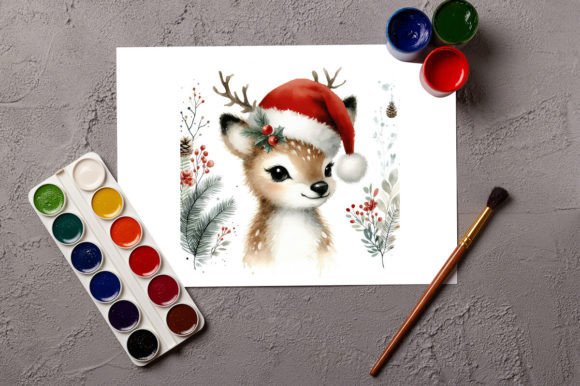
The first thing that strikes you about the Watercolor Christmas Cute Deer is its softness. Unlike rigid vector graphics, this piece belongs to the category of Illustrations that rely on organic flow. The watercolor aesthetic suggests a gentle, nostalgic holiday mood, which is perfect for the current market trend favoring cozy, understated decor over loud, flashy graphics. The layout feels balanced, with the deer’s silhouette providing a strong anchor while the surrounding elements offer visual interest without overwhelming the central subject.
For an embroidery designer, the "visual personality" of a design dictates its potential applications. This design feels inherently friendly and approachable. It does not scream for attention; instead, it invites a closer look. This subtlety is crucial when creating high-end handmade products where the quality of the stitch work should enhance, not obscure, the artistry of the image.
Real-World Application: The Tote Bag Test
To truly evaluate this design, I imagined a common scenario for many Etsy sellers and craft business owners: preparing a custom holiday gift line. I visualized stitching this onto a natural canvas tote bag design. Canvas is a forgiving medium, but it requires careful handling of stitch density to prevent distortion.
In this context, the Watercolor Christmas Cute Deer shines. The open areas in the watercolor style allow the texture of the fabric to breathe, preventing that stiff, cardboard-like feel that plagues poorly digitized designs. If you are creating a personalized gift for a neighbor or a boutique product for a local shop, this design adds immediate value. It transforms a plain utility item into a cherished seasonal keepsake. Customers are drawn to items that feel unique and artistic, and this design delivers that perception of exclusivity.
Versatility Across Product Lines
Beyond tote bags, this design is highly adaptable. Here is how it performs across different categories:
- Sweatshirt Embroidery: On fleece or cotton blends, the soft edges of the watercolor style blend beautifully with the fabric texture. It avoids the harsh outlines that can look cheap on casual wear.
- Baby Embroidery: The cute, non-threatening nature of the deer makes it ideal for baby blankets or onesies. However, always ensure the stitch density is low enough to remain soft against sensitive skin.
- Embroidered Patch: If you plan to make iron-on or velcro patches, this design works well because the shape is distinct. Just ensure you use a dense satin stitch border to keep the edges clean after cutting.
- Holiday Embroidery Decor: Think pillow covers or tea towels. The festive theme is clear without being cliché, making it suitable for modern home decor enthusiasts.
Technical Considerations and Potential Pitfalls
While the aesthetic is strong, practical execution requires attention to detail. Not every fabric or hoop will treat this design kindly. Here are the areas where you need to exercise caution:
Fabric Texture and Color: Watercolor effects rely heavily on color blending. If you are stitching on dark fabric, you must check your thread colors carefully. You may need to add an underlay or choose lighter thread shades to ensure the design pops. On textured fabrics like linen or waffle weave, fine details might get lost. Always test on scrap fabric first.
Stitch Types and Density: A design like this likely utilizes a combination of fill stitch for the body of the deer and running stitch or light satin for the finer watercolor splashes. High stitch density in small areas can cause puckering, especially on stretchy fabrics like t-shirts. If you are working on custom apparel, using a cut-away stabilizer is non-negotiable to maintain the integrity of the garment after washing.
Small Hoop Sizes: If you are using a 4x4 hoop, you may need to resize the design. Be wary of shrinking it too much. Tiny details in watercolor styles can become indistinguishable blobs if the scale is reduced beyond the machine's capability. Check the minimum recommended size in the digital embroidery file documentation.
Enhancing Brand Value and Customer Trust
For small shop product lines, consistency is key. Using a cohesive set of design assets helps build brand recognition. The Watercolor Christmas Cute Deer fits seamlessly into a broader collection of holiday-themed items. When customers see this level of thoughtful design on your finished product, it builds trust. They perceive the item as higher quality, which justifies a higher price point.
Moreover, in the age of online shopping, visual appeal drives clicks. A well-stitched version of this design photographs beautifully for printable mockup previews or social media posts. The soft tones contrast nicely with neutral backgrounds, making your listings stand out in a crowded marketplace.
Practical Designer Notes for Best Results
Before you load this into your machine for a large batch, follow these steps to ensure professional results:
- Test Stitch First: Never skip the test run. Use the same fabric and stabilizer you plan to use for the final product. This reveals any tension issues or thread breaks.
- Check Thread Contrast: Lay out your threads next to the fabric. Ensure there is enough contrast for the design to be visible, but not so much that it looks jarring.
- Inspect Small Details: Zoom in on the digitized file. Are there any unnecessary jump stitches? Are the trim commands placed logically? Clean up the file if necessary.
- Verify Licensing: If you are an Etsy seller or run a commercial embroidery service, confirm the license terms. Ensure you have the right to sell finished items made with this embroidery file.
- Mockup Testing: Create black and white mockups to check the silhouette. If the design loses its shape in grayscale, it may lack sufficient contrast in certain lighting conditions.
Final Verdict
The Watercolor Christmas Cute Deer is a strong contender for your holiday lineup. It balances artistic flair with practical stitchability. While it requires thoughtful handling regarding fabric choice and stabilizer selection, the payoff is a sophisticated, charming product that resonates with buyers. For designers looking to elevate their commercial embroidery offerings with something that feels both modern and timeless, this design is worth the investment. Just remember: the magic lies not just in the file, but in the care you take during the stitching process.