Vintage Christmas Sublimation Clipart: A Designer’s Review
As an embroidery designer who has spent years translating digital concepts into thread, I approach every new asset with a critical eye. We often talk about machine embroidery design files, but the source material matters just as much. Recently, I evaluated Vintage Christmas Sublimation Clipart to determine its viability for real-world stitching projects. While sublimation graphics are typically intended for heat transfer, their utility in the embroidery world lies in their potential as reference art, applique templates, or hybrid design elements. This review breaks down how these illustrations perform when subjected to the needle and thread.
First Impressions and Visual Mood
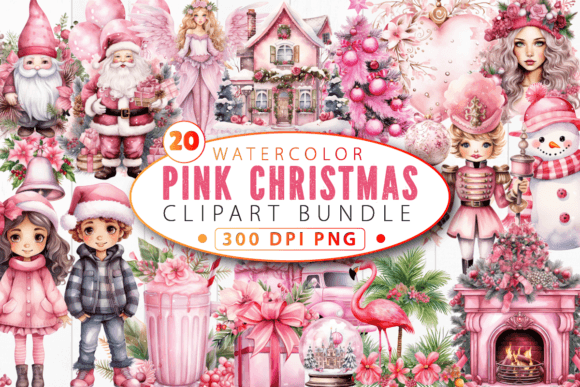
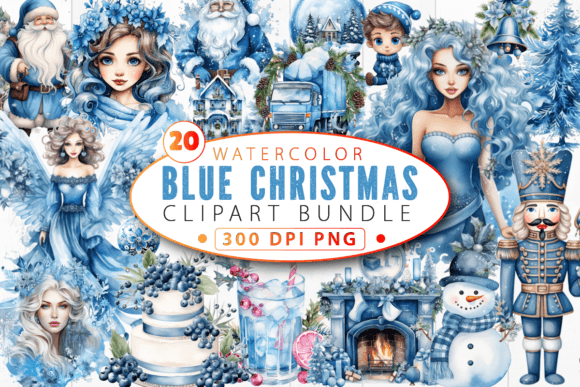
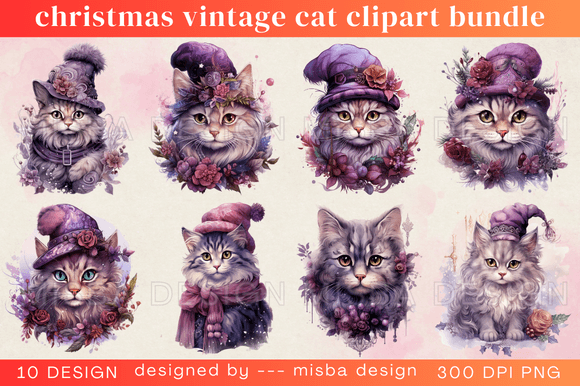
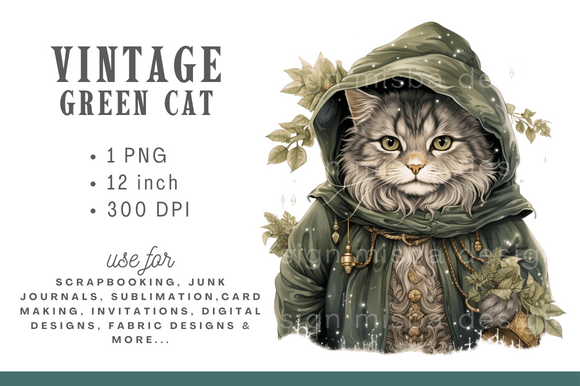
The immediate appeal of Vintage Christmas Sublimation Clipart is its nostalgic warmth. The aesthetic leans heavily into traditional holiday motifs—think distressed typography, classic botanicals, and retro color palettes. For an embroidery project, this mood is invaluable. It evokes a sense of heritage and comfort, which translates beautifully into handmade products. However, from a technical standpoint, "vintage" often implies texture, distressing, and complex gradients. These are challenging to replicate with thread. My first task was to mentally deconstruct these images into stitch types: where would a satin stitch work for clean edges, and where would a fill stitch be necessary to capture depth?
The layout of these illustrations is generally balanced, which is crucial for hoop stability. Unlike modern, minimalist vector art that might lack substance, these vintage designs often have enough visual weight to anchor a garment. Yet, the intricate details require careful planning. If you are using these as inspiration for digitizing your own embroidery file, you must simplify. Thread cannot capture the fine grain of a sublimation print, so identifying the core shapes is essential before you even open your digitizing software.
Real-World Application: The Custom Sweatshirt Test
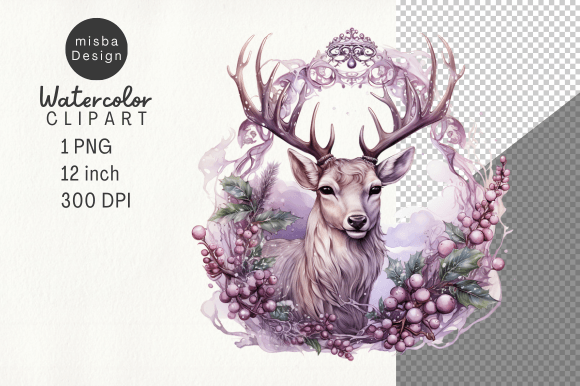
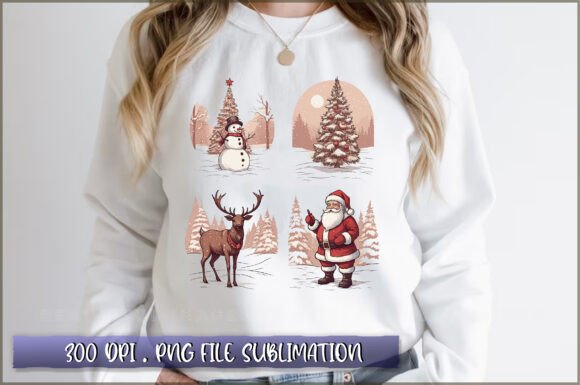
To test the practicality of this asset, I simulated a project for a client requesting custom holiday apparel. The goal was a boutique-style sweatshirt embroidery piece that felt high-end rather than mass-produced. I selected one of the central illustrations from the Vintage Christmas Sublimation Clipart collection—a detailed wreath motif—and adapted it for a left-chest placement.
In this scenario, the design served as a visual guide rather than a direct trace. I used the clipart to establish the composition and color harmony. The result was a hybrid approach: I used an applique design technique for the larger leaf shapes to reduce bulk and save time, then layered satin stitches for the berries and ribbon accents. This method allowed me to capture the vintage vibe without creating a dense, stiff patch on the fabric. The customer reaction was overwhelmingly positive; they appreciated the tactile quality that pure printing could not offer. This highlights a key advantage for Etsy sellers and craft business owners: using high-quality reference art like this can elevate your handmade product perception significantly.
Suitability for Various Products
Beyond apparel, these illustrations have broad applications. For a tote bag design, the larger scale of vintage graphics works well with heavy-duty canvas. Here, you can afford higher stitch density because the fabric supports it. For baby embroidery, however, caution is required. The intricate lines typical of vintage art can become scratchy if not properly underlaid. I recommend using soft stabilizers and limiting the use of thick threads on delicate items. Similarly, for an embroidered patch, these designs provide excellent border opportunities, framing the central motif with classic decorative elements that enhance brand consistency for small shops.
Technical Challenges and Fabric Considerations
While the aesthetic is strong, the transition from sublimation graphic to stitched reality presents hurdles. Sublimation prints rely on color blending, which embroidery achieves through thread layering or optical mixing. When working with Vintage Christmas Sublimation Clipart, you must pay close attention to thread colors. A flat digital color may look muddy when stitched. I advise testing your palette on scrap fabric first. Compare how the threads look against both light and dark backgrounds. A design that pops on white cotton might disappear on navy fleece.
Fabric texture also plays a pivotal role. On textured fabrics like terry cloth or wool blends, fine details from the clipart will get lost. In these cases, simplify the design further. Use bold running stitch outlines instead of filled areas to maintain clarity. Conversely, on smooth fabrics like poly-cotton blends, you can attempt more detailed fill work. Always check the hoop size constraints. Vintage designs often have sprawling elements; ensure your machine can accommodate the full width without re-hooping, which risks misalignment.
Navigating Dark and Stretchy Fabrics
One common pitfall is applying these designs to dark or stretchy garments without proper preparation. Vintage aesthetics often include light-colored highlights. On black fabric, these require careful underlay stitching to prevent the background from showing through. For stretchy fabrics like jersey tees, a cut-away stabilizer is non-negotiable. Without it, the tension from the fill stitch areas will cause puckering, ruining the vintage elegance you aimed for. Always test on a similar fabric swatch before committing to the final finished product.
Commercial Value and Brand Consistency
For commercial embroidery professionals, the value of Vintage Christmas Sublimation Clipart lies in its versatility for marketing assets. Even if you do not stitch the exact image, you can use it to create printable mockup previews for your online store. High-quality visuals attract buyers. When customers see a cohesive vintage theme across your design assets and actual stitched samples, it builds trust. It signals professionalism and attention to detail.
However, licensing is a critical factor. Before selling any custom apparel or personalized gift items derived from these illustrations, verify the license terms. Some sublimation clipart is for personal use only, while others allow commercial application. If you are digitizing the design yourself, ensure you are not infringing on copyright by directly copying protected artwork. Instead, use the clipart as inspiration for original digitization. This protects your small shop product line and ensures long-term viability.
Practical Designer Notes
To maximize the potential of this resource, follow these practical steps:
- Test on Scrap Fabric: Never skip this step. Check how the simplified version of the clipart stitches out on your target material.
- Check Contrast: Ensure your thread choices stand out against the fabric. Vintage palettes can be muted; boost saturation slightly in thread selection for better visibility.
- Review Stitch Density: Avoid overly dense fills in small areas to prevent needle breakage and fabric distortion.
- Confirm Hoop Size: Measure the largest element of the design to ensure it fits your available hoops.
- Inspect Small Details: Tiny elements in vintage art may need to be removed or enlarged for successful stitching.
- Mockup in Black and White: This helps you evaluate shape and contrast without the distraction of color.
- Verify Licensing: Confirm whether the Vintage Christmas Sublimation Clipart allows for commercial use in finished goods or digital derivatives.
In conclusion, Vintage Christmas Sublimation Clipart is a potent tool for the creative entrepreneur. It offers a rich visual language that, when translated thoughtfully into embroidery, can produce stunning holiday embroidery pieces. By respecting the technical limitations of thread and fabric, and by using these illustrations as strategic guides rather than rigid templates, you can create unique, high-value items that resonate with customers. Whether you are designing for a boutique branding campaign or crafting a one-of-a-kind personalized gift, this asset class provides the nostalgic foundation needed for memorable handmade work.