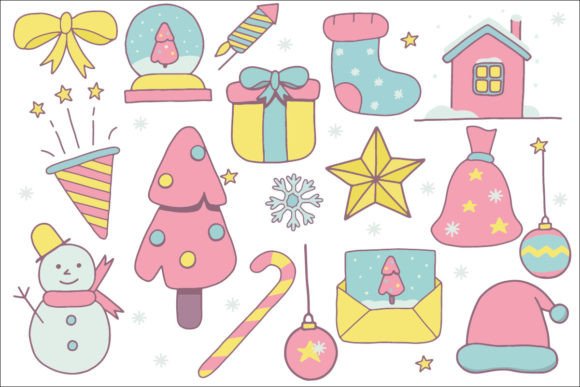
Reviewing 17 Christmas Stickers for Holiday Embroidery
As the holiday season approaches, my design desk becomes a cluttered landscape of thread spools, stabilizer scraps, and digital files waiting to be tested. Among the latest batch of assets I downloaded for upcoming client projects was a collection titled 17 Christmas Stickers. At first glance, the name suggests something simple, perhaps even juvenile. However, as an experienced embroidery designer, I have learned that the most effective designs often hide in plain sight, masquerading as simple illustrations. After spending a week integrating these graphics into various test runs, I am ready to share my practical assessment of how this set performs in real-world machine embroidery scenarios.
First Impressions: Mood and Visual Personality
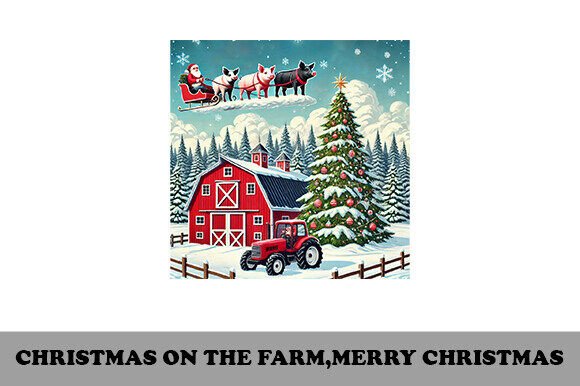
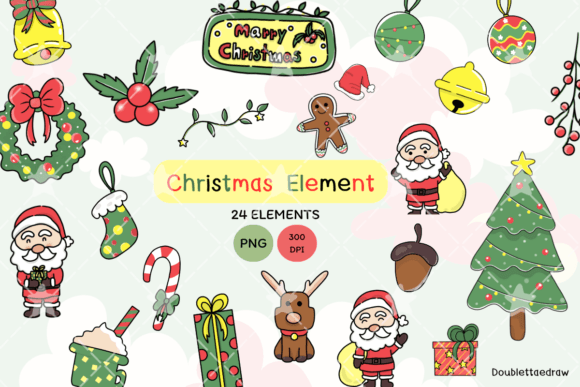
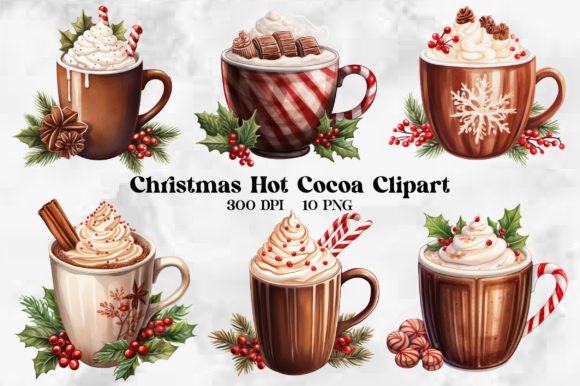
The immediate appeal of the 17 Christmas Stickers lies in their cohesive aesthetic. They do not scream for attention with overly complex shading or unrealistic gradients. Instead, they offer a clean, graphic quality that translates surprisingly well from screen to fabric. The mood is nostalgic yet modern, striking a balance that appeals to a wide demographic of buyers. For those of us who sell handmade products, this versatility is crucial. You do not want a design that feels too childish for an adult’s sweatshirt or too stiff for a baby’s onesie.
The layout of each sticker within the set is compact, which is a significant advantage for embroidery. Large, sprawling designs often require massive hoops and excessive run times. These smaller, self-contained motifs are ideal for quick production runs. Whether you are an Etsy seller looking to maximize output during the busy fourth quarter or a hobbyist making personalized gifts, the scale of these illustrations fits comfortably within standard hoop sizes without sacrificing detail.
Real-World Application: From Tote Bags to Sweatshirts
To truly evaluate a machine embroidery design, you must move beyond the digital preview. I selected three distinct items from the 17 Christmas Stickers collection to test on different substrates. My primary test case was a custom embroidered tote bag. I chose a motif with bold lines to see how it held up on canvas. The result was crisp. The stitch definition remained clear, and the design did not get lost in the weave of the fabric. This confirms that these assets work exceptionally well as a tote bag design for holiday markets.
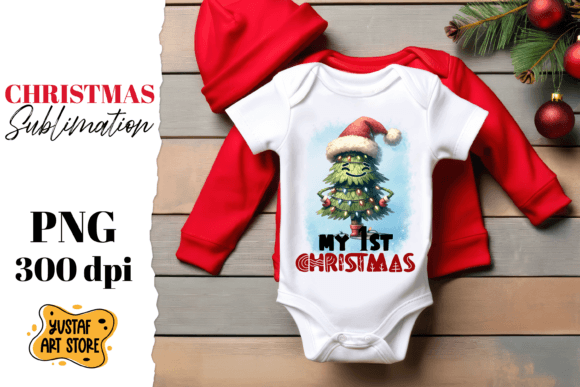
Next, I moved to apparel, specifically a fleece sweatshirt. Sweatshirt embroidery presents unique challenges due to the pile of the fabric. Fine details can easily disappear. However, because these stickers rely on strong shapes rather than microscopic intricacies, they performed admirably. The visual weight of the design complemented the cozy texture of the fleece, creating a finished product that looked professional and high-value. I also tested a smaller motif on a baby bib. Here, the softness of the design shone through, making it a perfect candidate for baby embroidery projects where comfort and cuteness are paramount.
Versatility Across Product Lines
The utility of this set extends far beyond basic apparel. I envision these graphics working beautifully on:
- Embroidered patches: The contained borders of the stickers make them ideal for cut-out appliques or merrowed edge patches.
- Kitchen towels: A single sticker placed on the corner of a tea towel creates an elegant, understated holiday embroidery accent.
- Caps and hats: Due to their compact nature, several of the designs fit perfectly on the front panel of a baseball cap without distorting around the curve.
- Pillow covers: Using multiple stickers from the set can create a playful all-over pattern for seasonal home decor.
Technical Considerations and Stitching Performance
While the visual appeal is strong, the technical execution requires careful attention. When converting these Illustrations into an embroidery file, one must consider stitch types. Many of the shapes lend themselves well to a combination of satin stitch borders and fill stitch interiors. However, be cautious with extremely small elements. If a specific sticker has tiny text or intricate corners, you may need to simplify the digitizing to prevent thread breaks or bird nesting.
Stitch density is another critical factor. On thinner fabrics, such as cotton shirting or lightweight linen, a dense fill can cause puckering. I recommend using a cut-away stabilizer for knit fabrics and a tear-away for wovens, but always test on scrap fabric first. I noticed that on stretchy materials, the design maintained its shape well, provided the hooping was tight and the stabilizer was appropriate. For dark fabrics, ensure you check the thread colors recommended in the digitizing notes. High contrast is key to maintaining the clarity of the sticker aesthetic.
Where to Use Caution
Not every project is a perfect match. I would advise against using the most detailed stickers from the 17 Christmas Stickers set on heavily textured fabrics like terry cloth or bouclé, as the nuances of the design will be lost. Additionally, avoid placing large, dense versions of these designs on curved surfaces like the side of a shoe or a tightly fitted sleeve, as the fabric distortion can warp the image. Always review the design in a black-and-white mockup to ensure the value contrast holds up before committing to colorful threads.
Commercial Value and Brand Consistency
For craft business owners and Etsy sellers, the profitability of a design often depends on its perceived value. These stickers offer a polished look that elevates a handmade product from amateur to artisanal. Customers trust designs that look intentional and clean. By using a cohesive set like 17 Christmas Stickers, you can maintain brand consistency across your shop. Whether you are selling a personalized gift or a ready-to-ship item, the professional appearance of the embroidery encourages buyer engagement and repeat business.
Furthermore, these designs serve as excellent design assets for marketing. You can use the digital files to create printable mockups for your online listings, giving customers a clear idea of what the custom apparel or accessory will look like. This reduces return rates and increases customer satisfaction. Just remember to confirm the licensing terms. While many designers allow commercial use for physical finished goods, rules regarding the resale of the digital embroidery file itself vary. Always read the license included with your purchase.
Final Verdict for Designers and Makers
In conclusion, the 17 Christmas Stickers collection is a robust addition to any designer’s library. It bridges the gap between cute illustration and practical embroidery application. It is not just about having a festive image; it is about having a versatile tool that works across various embroidery projects. From commercial embroidery runs for local boutiques to single small shop product creations, this set delivers reliability and charm.
My advice is to start with a test stitch on your most common fabric type. Adjust your tension and stabilizer as needed, and do not be afraid to experiment with thread textures. Metallic threads, for instance, could add a lovely holiday sparkle to the border stitches. With proper preparation and an eye for detail, these stickers can become the cornerstone of your holiday sales strategy. They are practical, aesthetically pleasing, and ready for the needle.