Reviewing Christmas Hot Cocoa Clipart for Embroidery
As a designer who spends more time staring at stitch simulations than I do sleeping, I have learned that not every cute graphic translates well to thread. We often browse marketplaces looking for the perfect Illustrations to elevate our holiday collections, and recently, I took a close look at the Christmas Hot Cocoa Clipart set. My goal was not just to admire the aesthetics but to determine if this design holds up under the needle. Could it survive the tension of a hoop? Would it look professional on a finished product? Here is my practical assessment for fellow embroidery designers, Etsy sellers, and craft entrepreneurs.
First Impressions: Mood and Visual Personality
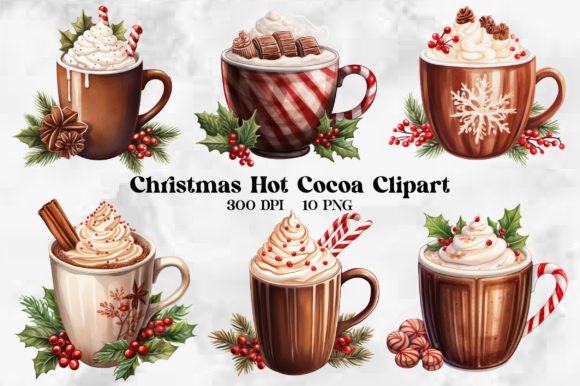
The first thing that strikes you about the Christmas Hot Cocoa Clipart is its warmth. It captures that cozy, nostalgic feeling of winter evenings perfectly. The layout typically features a steaming mug, often adorned with marshmallows, candy canes, or festive sprinkles. For an embroidery project, this thematic clarity is crucial. You do not want your customer guessing what the image represents. The visual personality is playful yet refined, making it versatile enough for both childish whimsy and sophisticated boutique branding.
However, as designers, we must look past the pretty pixels. The shape and detail level are the primary concerns. Does the steam look like a tangled mess of running stitches, or does it flow smoothly? Are the marshmallows distinct shapes that can be filled cleanly, or are they too small, risking thread breaks? In my initial review, the balance between negative space and detailed elements seemed promising, suggesting that with the right digitizing, this could be a standout piece in a holiday lineup.
Real-World Application: From Screen to Stitch
To truly test the viability of this design, I imagined a specific real-life scenario: preparing a custom order for a local boutique’s holiday gift guide. The client wanted a set of personalized tote bags and heavy-weight sweatshirts. This is where the Christmas Hot Cocoa Clipart needed to prove its worth.
For the tote bag design, the clipart’s bold lines would work exceptionally well. Tote bags are usually made of canvas or cotton twill, fabrics that can handle a moderate stitch density without puckering. The mug’s handle and the rim provide strong structural anchors for satin stitches, while the body of the mug offers a perfect canvas for a smooth fill stitch. I envisioned using contrasting thread colors—deep chocolate brown for the mug and bright white for the marshmallows—to create pop against a natural beige fabric.
When considering sweatshirt embroidery, the texture changes the game. Fleece and French terry are thick and plush. Here, the design needs to be simplified. If the clipart includes tiny details like individual sprinkles, they might get lost in the pile of the fabric. In this context, I would recommend scaling up the design slightly and ensuring the digitizer has used adequate underlay to prevent the fabric from showing through the fill stitches. The result would be a cozy, tactile personalized gift that feels premium to the touch.
Navigating Technical Challenges
While the design is charming, there are areas where caution is necessary. Not every surface is friendly to complex graphics. If you plan to use this on caps or curved surfaces, you must be mindful of distortion. The cylindrical shape of a cap can stretch the design, making circular elements like the mug rim look oval. Testing on a scrap piece of the exact same material is non-negotiable here.
Another critical factor is fabric type. If you are working with thin or stretchy fabrics, such as those used in baby embroidery projects, the weight of the threads can cause pulling. The Christmas Hot Cocoa Clipart should be stabilized properly. A cut-away stabilizer is often safer for garments that will be washed frequently, ensuring the design remains intact and does not distort over time. Additionally, avoid placing dense stitch areas directly next to seams, as this can cause needle deflection and skipped stitches.
Small hoop sizes also present a challenge. If you are limited to a 4x4 inch hoop, you may need to crop the design or choose a version of the clipart that focuses solely on the mug, excluding surrounding elements like text or large decorative borders. Always check the dimensions provided with the digital embroidery file to ensure it fits your machine’s capabilities without requiring excessive resizing, which can alter stitch density and quality.
Enhancing Brand Value and Customer Trust
Why does the choice of design matter so much for a craft business? Because consistency builds trust. When a customer buys a handmade product, they are buying into your aesthetic. Using high-quality, well-digitized assets like the Christmas Hot Cocoa Clipart signals professionalism. Sloppy stitching, thread breaks, or unclear imagery can detract from the perceived value of your work.
This design has the potential to boost buyer engagement because it is inherently shareable. People love posting photos of their cozy winter gear on social media. A well-executed embroidered mug design on a scarf or pillow cover becomes a visual hook. It tells a story of comfort and care. For Etsy sellers, this means better conversion rates if the product photos highlight the texture and clarity of the stitches. Using the design in printable mockups before stitching can also help you visualize how different thread color combinations affect the overall look, allowing you to offer varied options to your customers.
Practical Notes for the Embroidery Designer
Before you commit to production, here are my top recommendations for working with this type of asset:
- Test on Scrap Fabric: Never skip this step. Stitch out the design on the same type of fabric you intend to use for the final product. Check for puckering, thread breaks, and coverage.
- Check Thread Contrast: The success of this design relies on contrast. Ensure your thread colors stand out against the fabric. Dark threads on dark fabrics will disappear, ruining the effect.
- Review Stitch Density: If the design feels too stiff after stitching, the density may be too high. Adjust your machine settings or ask the digitizer for a lighter version if available.
- Confirm Licensing: Always verify the license terms. Can you use this for commercial embroidery? Are there limits on the number of physical items you can sell? Knowing this upfront protects your business.
- Inspect Small Details: Zoom in on the digitized file. Look for unnecessary jump stitches or overlapping paths that could cause bulk. Clean up the file if necessary.
In conclusion, the Christmas Hot Cocoa Clipart offers a delightful blend of seasonal charm and design versatility. When approached with a critical eye and technical precision, it can become a staple in your holiday collection. Whether you are creating custom apparel, embroidered patches, or home decor, this design has the potential to delight customers and elevate your brand. Just remember: the magic lies not just in the image, but in the execution.