Reviewing Christmas Squirrel Sublimation Clipart for Stitching
As an embroidery designer who spends more time staring at digitized paths than I do sleeping, I have learned to be skeptical of clipart. Most sublimation files are created with printing in mind, meaning they rely on gradients, shadows, and color blends that simply do not translate to thread. However, every now and then, a piece of artwork stands out because its underlying structure is solid enough to withstand the transition from ink to needle. I recently evaluated Christmas Squirrel Sublimation Clipart with this specific challenge in mind. My goal was not just to admire the illustration, but to determine if it could serve as a viable foundation for high-quality machine embroidery projects.
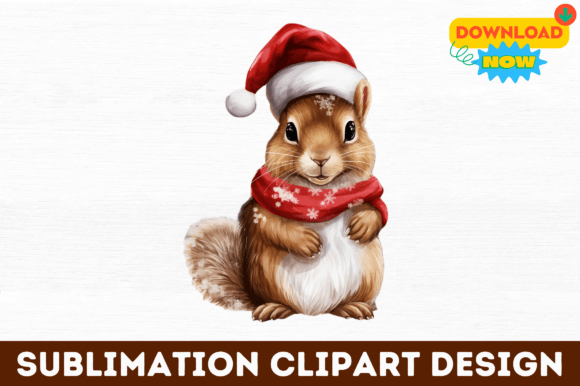
The first impression of this design is one of whimsical warmth. The squirrel motif captures that cozy, festive energy that sells exceptionally well during the holiday season. From a visual standpoint, the character has a strong silhouette. This is crucial. In embroidery, if the shape does not read clearly from three feet away, the design will fail regardless of how pretty the colors are. The layout of this squirrel suggests a playful personality, likely holding a nut or wearing a seasonal accessory, which provides natural focal points for satin stitching. For those of us creating Illustrations for commercial use, this distinct personality is what separates a generic graphic from a brand-defining asset.
Translating Digital Art to Threaded Reality
When I look at Christmas Squirrel Sublimation Clipart, I am immediately thinking about fabric texture and stitch direction. Sublimation designs are flat, but embroidery is tactile. To make this work in a real-world scenario, I imagine digitizing this image for a custom embroidered tote bag. Tote bags are typically made of canvas or heavy cotton, which can handle higher stitch density. The squirrel’s body would benefit from a tight fill stitch to create a plush, raised effect, while the tail might require a combination of running stitch outlines and lighter fills to maintain flexibility.
I also considered how this design would perform on a sweatshirt. Fleece and French terry fabrics have a nap that can swallow small details. If the original clipart has intricate fur textures, those need to be simplified in the embroidery file. A complex sublimation image often needs to be "cleaned up" before digitizing. I would recommend using broader satin stitches for the squirrel’s facial features to ensure they remain visible against the textured background of a hoodie. This approach ensures that the finished product looks professional rather than cluttered.
Ideal Applications for Holiday Embroidery
This design shines brightest in applications where charm and character take precedence over photorealism. Here are the projects where I believe Christmas Squirrel Sublimation Clipart would add the most value:
- Personalized Gift Items: Think baby onesies or bibs. The cute factor of a squirrel is universally appealing for nursery decor and infant apparel. However, you must ensure the design is scaled correctly to fit smaller hoop sizes without losing detail.
- Custom Apparel: A left-chest placement on a flannel shirt or a denim jacket works beautifully. The rustic nature of a squirrel complements these fabrics perfectly.
- Embroidered Patches: Creating iron-on or velcro-backed patches is a trending niche for Etsy sellers. This design’s strong outline makes it ideal for patch creation, where a merrowed border can frame the squirrel neatly.
- Home Decor: Pillow covers and kitchen towels benefit from the festive theme. A tote bag design featuring this squirrel could be a hit for holiday grocery runs or gift giving.
For Etsy sellers and small shop product creators, versatility is key. This clipart can be adapted into various design assets. You might use the original sublimation file for printable mockups to showcase your embroidered items online, ensuring your digital presence matches the physical quality of your goods.
Navigating Technical Challenges and Limitations
While the aesthetic appeal is high, we must address the technical hurdles. Sublimation clipart is not a digital embroidery file ready for your machine. It is a reference image. If you attempt to auto-digitize this without manual adjustment, you will likely encounter issues with stitch density and thread breaks. Specifically, watch out for tiny details in the squirrel’s eyes or paws. These areas often require precise satin stitching or even hand-finishing touches if the automated process leaves gaps.
Another critical consideration is fabric choice. Dark fabrics present a challenge if the squirrel is light-colored. You may need to use an underlay stitch strategy that includes a white base layer to prevent the fabric color from bleeding through the threads. Conversely, on stretchy fabrics like jersey knits, a heavy fill stitch can cause puckering. In these cases, I recommend using a cut-away stabilizer rather than tear-away to support the stitch density and maintain the garment's shape after washing.
Curved surfaces, such as caps, require extra caution. The squirrel’s shape must be centered perfectly to avoid distortion when the cap is worn. If the design is too wide, it will wrap around the curve awkwardly. Always test on a similar curved surface before committing to a production run of sweatshirt embroidery or hats.
Enhancing Brand Value and Customer Trust
Using high-quality source material like Christmas Squirrel Sublimation Clipart elevates the perceived value of your handmade product. Customers can tell when a design is crisp and well-thought-out. It builds trust in your brand consistency. When a buyer receives a personalized gift that features a clear, vibrant, and well-stitched character, they are more likely to leave positive reviews and return for future purchases. This is especially true for commercial embroidery projects where branding is essential.
Moreover, the mood of the design affects buyer engagement. A cheerful, festive squirrel evokes nostalgia and joy. This emotional connection can drive sales during the holiday rush. By presenting this design in high-quality printable mockup images on your store, you help customers visualize the final item, reducing hesitation and increasing conversion rates.
Practical Notes for the Embroidery Designer
Before you load this design into your digitizing software or send it to a digitizer, keep these practical steps in mind:
- Test on Scrap Fabric: Never skip this step. Stitch out the design on the exact fabric you plan to use for the final product. Check for puckering, thread breaks, and color accuracy.
- Check Thread Color Contrast: Ensure the thread colors you choose stand out against the fabric. Use a color wheel to find complementary shades that make the squirrel pop.
- Review Stitch Density: Too dense, and the fabric will stiffen; too loose, and the backing will show. Aim for a balance that suits the garment's purpose.
- Confirm Hoop Size: Make sure the design fits within your available hoop sizes. If it is too large, consider splitting it or resizing it, keeping in mind that resizing can distort stitch angles.
- Inspect Small Details: Zoom in on the digitized version. Are the eyes symmetrical? Is the tail smooth? Tiny errors become obvious once stitched.
- Licensing Verification: Always confirm the license terms of the Christmas Squirrel Sublimation Clipart. Ensure you have the right to use it for commercial purposes if you are selling the finished items or the digital embroidery file.
In conclusion, this clipart offers a charming foundation for holiday-themed embroidery. With careful digitizing and attention to fabric compatibility, it can transform into a standout embroidery project that delights customers and boosts your craft business sales. Treat the source art with respect, adapt it thoughtfully to the medium of thread, and you will create a finished product that truly shines.