Reviewing the Christmas Stocking Cut Out Design
As a designer who has spent countless hours digitizing and testing embroidery patterns, I approach every new machine embroidery design with a mix of curiosity and skepticism. We have all been there: you download a file that looks pristine on the screen, only to find it puckers the fabric or loses its charm once the needle hits the cloth. Today, I am taking a close look at the Christmas Stocking Cut out, a piece categorized under Illustrations, to determine if it holds up in real-world production environments.
This is not just about aesthetics; it is about functionality. For Etsy sellers, craft business owners, and hobbyists, a design must do more than look cute. It must stitch cleanly, withstand washing, and appeal to the end customer. Here is my practical assessment of how this design performs from the digitizer’s hoop to the finished product.
First Impressions and Visual Personality
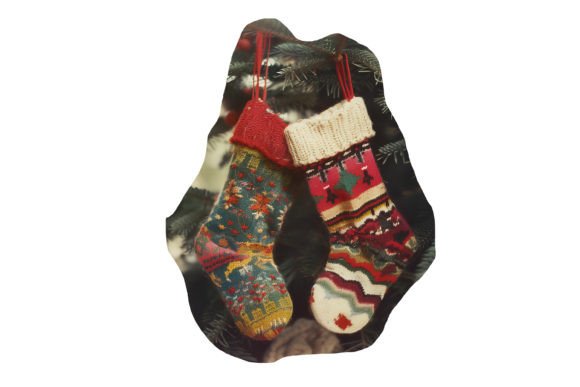
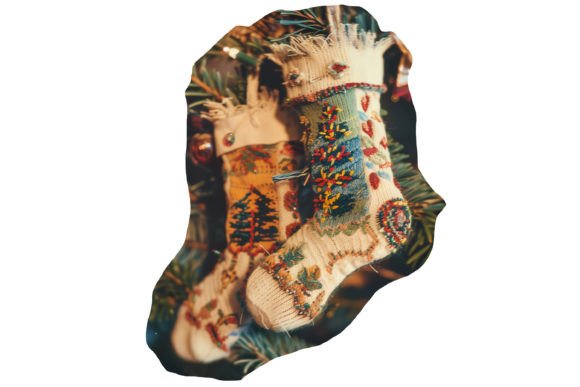
The first thing that strikes me about the Christmas Stocking Cut out is its clean, graphic nature. In the world of Illustrations for embroidery, simplicity often translates to reliability. This design does not rely on overly complex shading or microscopic details that disappear under thread. Instead, it offers a bold silhouette that reads well from a distance.
The mood is undeniably festive but restrained. It avoids the cluttered look that plagues many holiday designs, making it versatile for modern home decor as well as traditional gifts. When I visualize this on a tote bag design or a minimalist sweatshirt embroidery project, it fits seamlessly. The visual personality suggests warmth and nostalgia without feeling dated. For designers looking to create a cohesive brand aesthetic, this kind of clarity is invaluable. It allows the texture of the fabric and the sheen of the thread to take center stage, rather than fighting against a chaotic stitch pattern.
Real-World Application Scenarios
To truly evaluate an embroidery file, we must imagine it in use. I recently considered this design for a custom order involving a set of heavy canvas tote bags for a local boutique. The goal was to create a handmade product that felt upscale yet approachable. The Christmas Stocking Cut out worked exceptionally well here. Because the shape is distinct, it anchors the design on the bag without overwhelming the material.
Beyond totes, I see strong potential in custom apparel. Imagine this stitched onto the cuff of a denim jacket or as a small chest emblem on a holiday-themed hoodie. The scale is adaptable. For baby embroidery projects, such as a onesie or a burp cloth, the design’s lack of tiny, fragile elements means it is less likely to irritate sensitive skin or unravel after multiple wash cycles. It also serves beautifully as an embroidered patch element. If you are creating iron-on or sew-on patches for a small shop product line, this cut-out style provides a crisp edge that is easy to trim and finish professionally.
For those selling digital embroidery file bundles, including this type of versatile illustration can increase the perceived value of your package. It appeals to buyers who want quick, reliable projects for last-minute holiday embroidery gifts. Whether used on a pillow cover for living room decor or a kitchen towel for a hostess gift, the design maintains its integrity.
Technical Considerations and Stitching Performance
While the visual appeal is strong, the technical execution is where a design lives or dies. Since specific technical data like stitch count or exact hoop size requirements were not provided in the initial description, I must advise caution. Always check the included documentation for these details before loading the file into your machine.
However, based on the "cut out" style, we can infer certain characteristics. Designs like this often utilize a combination of fill stitch for the body and satin stitch or running stitch for the borders. If the border is wide, ensure your machine can handle the density without breaking needles. If the design relies on a zigzag or satin edge to define the "cut out" look, test your tension settings. A poorly balanced tension can cause the edges to curl or gap, ruining the clean lines.
Stitch density is another critical factor. If the design is too dense, it will stiffen the fabric, which is undesirable for wearable items like caps or soft baby clothes. If it is too light, the underlying fabric color might show through, especially on lighter threads. I recommend running a test on scrap fabric that matches your final project material. This allows you to adjust pull compensation and density if needed.
Pay close attention to thread colors. This design likely relies on contrast to define its shape. On dark fabrics, you may need to use a lighter underlay or a backing stabilizer to prevent the fabric color from muting the thread. Conversely, on white or cream fabrics, ensure your thread has enough saturation to stand out. Testing the design in black and white mockups can help you visualize the contrast issues before you even thread the needle.
Navigating Fabric and Hoop Challenges
Not every fabric is a friend to every design. The Christmas Stocking Cut out performs best on stable, medium-weight fabrics like cotton, linen, or canvas. When working with stretchy fabric like jersey knits for t-shirts, using a cut-away stabilizer is non-negotiable. Without proper support, the stitches will distort as the fabric stretches, turning your crisp stocking into a warped shape.
Be cautious with textured fabrics like fleece or terry cloth. The intricate details of any embroidery can get lost in the pile. If you must use these materials, consider increasing the stitch density slightly or using a topping stabilizer to keep the stitches sitting on top of the fibers. For thin fabric like silk or lightweight rayon, this design might be too heavy unless you use a very fine needle and lightweight stabilizer to prevent puckering.
Curved surfaces, such as caps or sleeves, present another challenge. Ensure the design fits within your cap frame’s usable area. If the design is too wide, it may wrap around the curve awkwardly. Always hoop your fabric tightly and use the appropriate stabilizer for the garment type. For layered garments, be mindful of seams. Stitching over a thick seam can cause needle deflection, leading to skipped stitches or broken needles.
Enhancing Brand Value and Customer Trust
From a business perspective, the quality of your embroidery project directly impacts your brand reputation. A clean, well-stitched Christmas Stocking Cut out signals professionalism. It shows that you care about the details, which builds customer trust. When buyers receive a personalized gift that looks polished and durable, they are more likely to leave positive reviews and return for future purchases.
Consistency is key. If you are building a boutique branding strategy, using high-quality design assets like this helps maintain a cohesive look across your product line. Whether you are creating printable mockup images for your online store or photographing the actual finished product, a crisp design photographs better. It catches the light nicely and highlights the texture of the thread, making your listings more attractive to potential buyers.
For commercial embroidery clients, reliability is paramount. They need to know that the design will reproduce consistently across hundreds of units. By thoroughly testing the Christmas Stocking Cut out on various materials and documenting your settings, you can offer this assurance to your clients. This level of diligence sets you apart from competitors who simply upload files without testing.
Final Designer Notes and Best Practices
Before you commit to a large production run or list this item in your shop, take these final steps:
- Verify Licensing: Confirm whether the license allows for commercial use. Some designers restrict the number of physical items you can sell, while others offer unlimited commercial rights. Never assume; always read the terms.
- Check File Formats: Ensure the embroidery file is compatible with your specific machine brand (e.g., PES, DST, JEF). Using a converted file can sometimes alter stitch paths, so native formats are preferred when available.
- Test on Scrap: Always stitch a sample on the same fabric and stabilizer combination you plan to use for the final product.
- Inspect Details: Look for loose threads, bird nests, or gaps in the stitching. Trim carefully and press the design if appropriate for the fabric.
- Consider Contrast: Choose thread colors that complement both the design and the fabric. High contrast creates a bold look, while tonal colors offer a subtle, elegant effect.
In conclusion, the Christmas Stocking Cut out is a promising addition to any designer’s library. Its strength lies in its versatility and clean aesthetic. By approaching it with a critical eye and adhering to best practices in stabilization and thread selection, you can create stunning holiday embroidery pieces that delight customers and elevate your brand. Happy stitching!