Reviewing Watercolor Christmas Cute Cat for Holiday Stitching
As a designer who spends half the year prepping files for holiday rushes, I have learned that not every cute graphic translates well to thread. We often see digital assets that look stunning on a screen but turn into a tangled mess under the needle. This season, I took a close look at the Watercolor Christmas Cute Cat design to see if it holds up in real-world production. My goal was not just to admire the art, but to determine if it is a viable asset for my craft business and whether it would resonate with customers looking for high-quality handmade products.
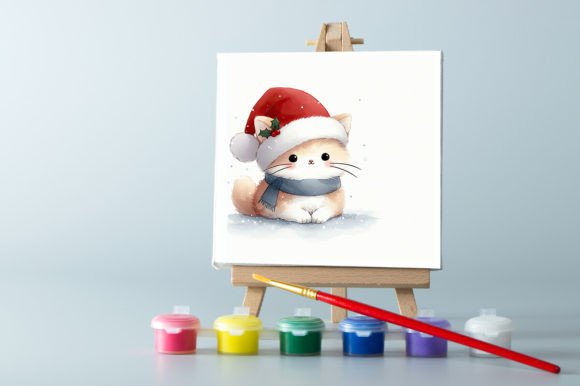
The first impression of this piece is undeniably charming. It captures that soft, whimsical mood associated with watercolor Illustrations, blending festive elements with the playful nature of a cat. For an embroidery project, this presents both an opportunity and a challenge. The soft edges typical of watercolor styles need careful handling to avoid looking muddy or overly dense when converted into a machine embroidery design. In my initial assessment, the layout feels balanced, offering enough negative space to let the fabric breathe while maintaining a strong visual focal point.
Real-World Application: The Holiday Tote Test
To truly evaluate the Watercolor Christmas Cute Cat, I moved beyond digital mockups and prepared a physical test. I chose a natural canvas tote bag as my substrate. Tote bags are a staple for Etsy sellers and small shop owners during the holidays, serving as perfect vessels for personalized gifts. The texture of canvas provides a sturdy base, which is crucial when dealing with designs that may require varied stitch types to mimic artistic effects.
I hooped the fabric with a medium-weight cut-away stabilizer. This choice was deliberate. Watercolor-style designs often rely on subtle gradients and soft transitions. In embroidery, we achieve this through careful thread color selection and stitch direction rather than actual paint blending. As the machine began stitching, I watched closely for puckering. The design performed admirably, provided the hoop size was adequate to support the surrounding fabric. The result was a cozy, inviting image that looked intentional and professional, not like a stiff patch slapped onto a bag.
Versatility Across Product Lines
One of the strongest aspects of this design is its adaptability. While it shone on the tote bag, I could easily envision it working across a variety of custom apparel and home decor items. For sweatshirt embroidery, the soft aesthetic complements the fuzzy texture of fleece or French terry cloth. However, placement is key. Centering the cat on the chest of a crewneck creates a classic holiday look, while placing it on the sleeve adds a subtle, trendy accent.
For those running a boutique brand, this design also works well for baby embroidery. The cute subject matter appeals to parents looking for unique nursery decor or personalized baby blankets. When scaling down for smaller items like caps or embroidered patches, attention to detail becomes critical. The finer lines of the watercolor effect might need simplification to ensure they do not break or become indistinguishable at a smaller scale. I recommend testing a reduced version on scrap fabric before committing to a full production run of hats or small accessories.
Navigating Technical Challenges
While the Watercolor Christmas Cute Cat is visually appealing, it requires a thoughtful approach to technical execution. Watercolor aesthetics often imply a lack of hard outlines, which can be tricky in embroidery where definition is created by thread contrast. If you are using this as an applique design, ensure the fabric choices for the applique pieces complement the thread colors. A satin stitch border can help define the shape, but it must be narrow enough to maintain the soft feel of the original illustration.
Stitch density is another factor to monitor. High-density fill stitches can make a garment stiff and uncomfortable, especially on items like t-shirts or baby clothes that need to remain soft against the skin. I advise checking the stitch count and density settings in your embroidery software. If the design feels too heavy, consider reducing the density or incorporating more running stitch elements to create texture without bulk. Additionally, when working on dark fabric, you may need to add an underlay or choose lighter thread colors to ensure the design pops without losing its delicate charm.
Enhancing Brand Value and Customer Trust
From a business perspective, the quality of your design assets directly impacts customer trust. A well-executed Watercolor Christmas Cute Cat can elevate a simple item into a premium handmade product. Customers are drawn to items that look carefully crafted. When the stitching is clean, the colors are vibrant, and the design is centered and stable, it signals professionalism. This attention to detail encourages repeat business and positive reviews, which are vital for any craft business or Etsy seller.
Moreover, this design fits seamlessly into holiday marketing campaigns. It evokes warmth and nostalgia, emotions that drive purchasing decisions during the gift-giving season. Whether used in printable mockups for online listings or as the centerpiece of a physical display at a craft fair, the design helps create a cohesive brand identity. It suggests that the maker values artistry and quality, distinguishing their small shop product from mass-produced alternatives.
Practical Notes for Designers and Makers
Before you launch this design into your commercial embroidery lineup, there are several practical steps to take. First, always test the design on the specific fabric you intend to use. Fabric texture can dramatically alter the final appearance. A smooth cotton will show off fine details, while a textured linen might obscure them. Second, verify the license terms. Ensure that the digital embroidery file allows for commercial use if you plan to sell finished items. Protecting your business legally is just as important as protecting your creative integrity.
- Test on Scrap Fabric: Always run a test stitch-out to check for tension issues and thread breaks.
- Check Thread Contrast: Ensure your thread colors provide enough contrast against the fabric background for clarity.
- Review Stabilizer Choice: Use the appropriate stabilizer for your fabric type to prevent puckering and distortion.
- Confirm Hoop Size: Make sure your hoop is large enough to accommodate the design without re-hooping, which can cause misalignment.
- Inspect Small Details: Zoom in on the design to ensure tiny elements are not too dense or fragile for stitching.
In conclusion, the Watercolor Christmas Cute Cat is a strong contender for your holiday design library. It offers a blend of artistic flair and commercial viability, provided it is handled with technical care. By understanding its strengths and limitations, you can create beautiful, high-quality finished products that delight customers and strengthen your brand. Whether you are decorating aprons, creating personalized gifts, or expanding your small shop merchandise, this design offers a delightful way to capture the spirit of the season through the art of embroidery.